

A Career That Followed Questions, Not a Path
9 September 2026
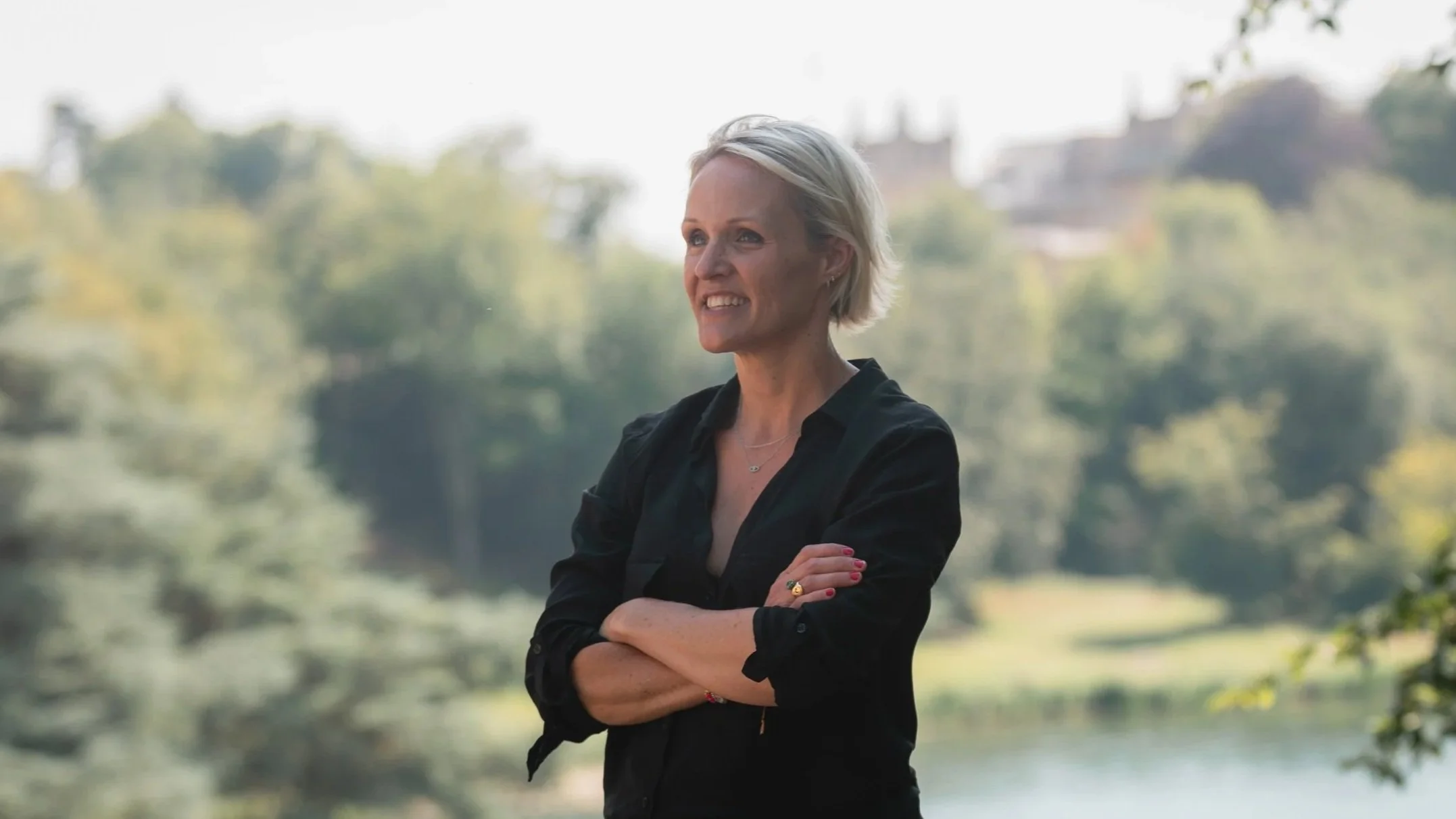
I don't have all the answers. I haven't had every experience either. Nobody has.
Most careers follow a path. Mine has followed questions instead, from a physiotherapy clinic to a boardroom, and the thread running through it has never been a job title. It has been curiosity, applied deliberately, in situations where the stakes were real, and nobody had the answer yet.
That discipline is where this work comes from.
The starting point was physiotherapy, across the NHS, New Zealand, and sport, including UK Athletics, working with endurance athletes at a level where the questions were never abstract. An athlete's body, a competition date that will not move, a decision that must be made now with incomplete information. High-stakes, high-consequence, no room for a framework that only works in hindsight.
From there, a management buy-out of a physiotherapy business in 2013, built and scaled for over a decade, through to exit in 2024. A different kind of pressure, but the same underlying discipline: see where value is actually created, price the risk, back the judgement, live with the result.
That mix has kept building since.
Chief Strategy Officer at Hytro. UK Ambassador for GSIC, powered by Microsoft. A venture partner and advisory portfolio through Curioso Studio. Angel investing, board and investment committee positions, an Executive MBA at Warwick. Each one a different vantage point on the same question: how do organisations actually create value and align the people who need to move together to capture it?

What connects it all is not a sector or a title. It is a way of thinking.
The quality of the questions asked, in what order, and at what moment, is a strategic capability in its own right. Not curiosity as a personality trait. Curiosity and judgement as infrastructure. Most strategic failure is not a failure of intelligence. It is a failure to ask the question that would have changed the answer, asked early enough to matter. It is also, increasingly, a question of who else is in the room when the decision gets made, and whether the market itself is one still being priced correctly by everyone competing in it.
This matters more, not less, in environments that are fast, liquid, uncharted and experimental. Sport and performance rarely sit still long enough for a five-year plan to survive contact with reality. Decisions must be made in motion, with partial information, within relationships still being built. That is not a flaw in the system. It is the system. The work is learning to make good decisions inside it anyway, and to keep learning as it moves.
None of this is offered as a set of answers. An operator's advantage is not that they know more than everyone else in the room. It is that they know which questions the room has not yet thought to ask, because they have stood inside enough real decisions, commercial, clinical, technical, to recognise the shape of the ones that matter.

Where this goes next
The work goes deeper. A UK Ambassador role, a seat on an investment committee, a podcast co-hosted at the intersection of performance and strategy. Each addition has sharpened rather than diluted the focus, because the thread connecting them was never the roles themselves. It was the questions each one demanded.
What is emerging now is a sharper focus still: global sport, sports technology and performance environments, with a particular pull toward the unique opportunities and challenges inside women's sport, a market still being priced, still being built, still wide open to whoever asks the right questions early enough.
The mix stays the same: practitioner, operator, investor, strategist, brought to bear wherever the decisions are genuinely hard and the stakes are genuinely real.
What would change in your own decisions if the question came before the answer, every time?
The newsletter goes deeper.
Weekly thinking on decision-making, sport, and where the questions haven't caught up yet. Delivered every Thursday.
